

Nine Areas. One Connected System.
The Mastery Framework
Mastery is a framework for understanding how people think, adapt, create, decide and improve through nine interconnected modules. Each can be explored alone, but together they provide a clearer view of judgement, action and development.

Nine Areas. One Connected System.
The Mastery Framework
Mastery is a framework for understanding how people think, adapt, create, decide and improve through nine interconnected modules. Each can be explored alone, but together they provide a clearer view of judgement, action and development.
One Framework. Nine Paths.
What is Mastery?
At Apex Horizons Institute, Mastery is a framework for learning and understanding the interconnected forces that influence progress.
It is organised around nine modules:
Structure, Creativity, Synchronicity, Belief, Thought, Emotion, Strategy, Fortune, and Improvement.
Each represents a distinct area of understanding. Structure shapes the conditions for progress. Thought and Belief influence interpretation. Emotion affects response. Creativity creates possibilities. Synchronicity explores timing and alignment. Strategy directs effort. Fortune introduces uncertainty and opportunity. Improvement turns experience into development.
Individually, each module can reveal something useful. Together, they form the wider Mastery framework.


Connecting Ideas Across Disciplines
The Apex Horizons’ Approach
The most useful ideas rarely belong to one field alone. Our approach connects patterns across disciplines to identify principles that remain useful as circumstances change, creating a way of learning focused on relationships, structure and practical application.
The Nine Modules
Our Principles of Mastery
Structure
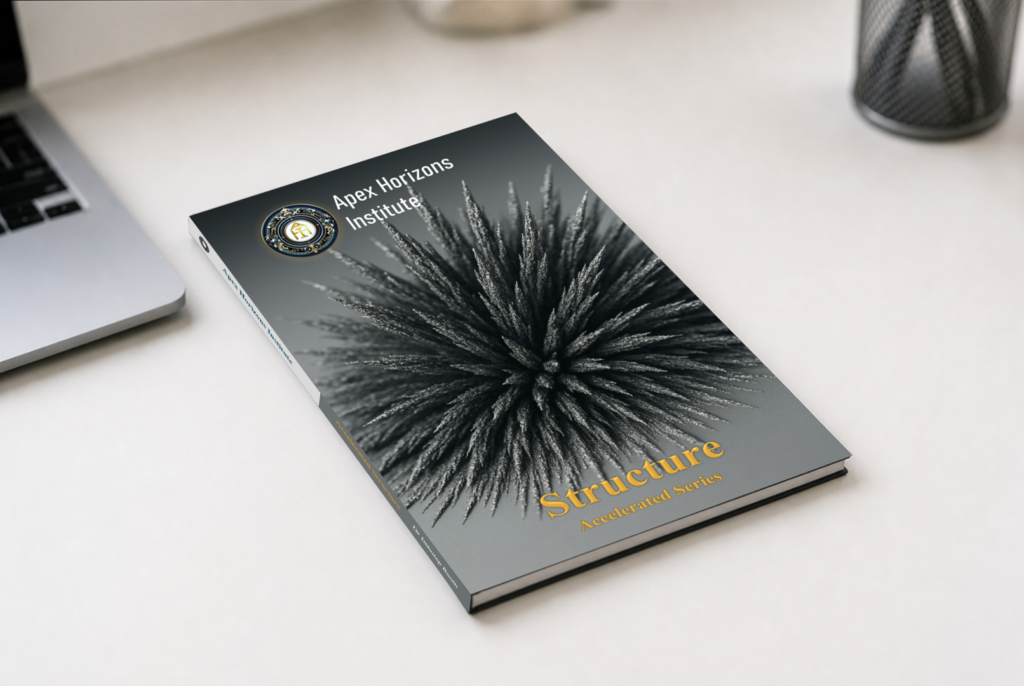
Structure examines the systems, relationships and conditions that shape what becomes possible. It looks beyond individual parts to understand how they connect, where pressure travels, what supports stability and which arrangements repeatedly produce particular outcomes. From organisations and physical systems to habits and relationships, Structure asks what is holding the system together, where its constraints lie and how changing the arrangement can change the result.

Creativity
Creativity explores how new possibilities emerge and become useful. It involves imagination, recombination, experimentation and the ability to see alternatives where existing assumptions make only one path appear obvious. Creativity is not simply novelty or inspiration; it also requires selection, refinement and contact with reality. The module examines how ideas develop, how constraints can generate better solutions and how possibility can be turned into meaningful form.
Synchronicity
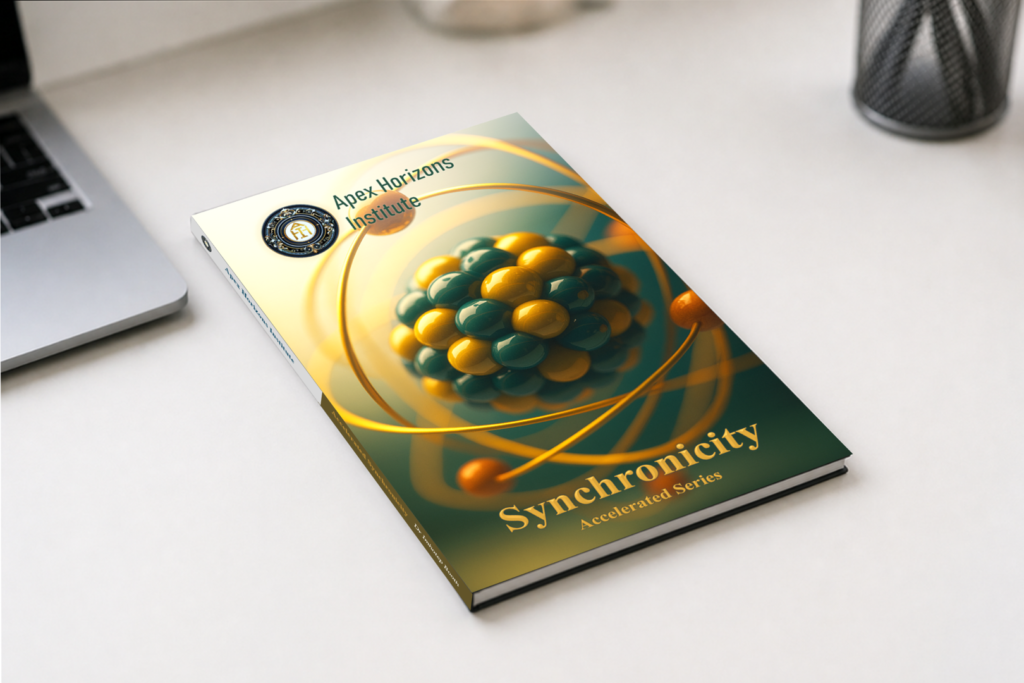
Synchronicity examines alignment, timing and the relationships that allow separate elements to reinforce one another. It considers how people, ideas, opportunities and changing conditions can become more valuable when they meet at the right moment. Rather than treating every coincidence as meaningful, Synchronicity develops greater sensitivity to patterns, signals, rhythm and emerging relationships—helping us recognise when to act, when to connect and when circumstances are beginning to align.
Belief
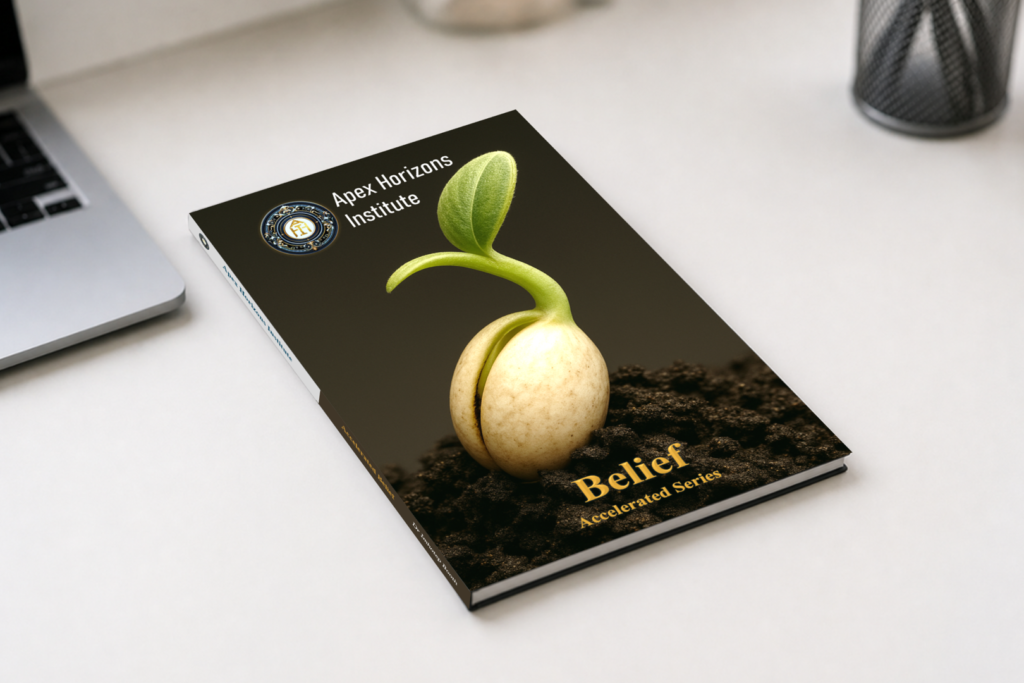
Belief explores the internal models through which people interpret themselves, other people and the world around them. Beliefs influence what we notice, what we expect, which possibilities appear realistic and how we interpret new evidence. Some provide useful stability while others can become invisible constraints. This module examines how beliefs form, how they shape perception and behaviour, and how they can remain strong enough to guide action while still being open to revision.
Thought
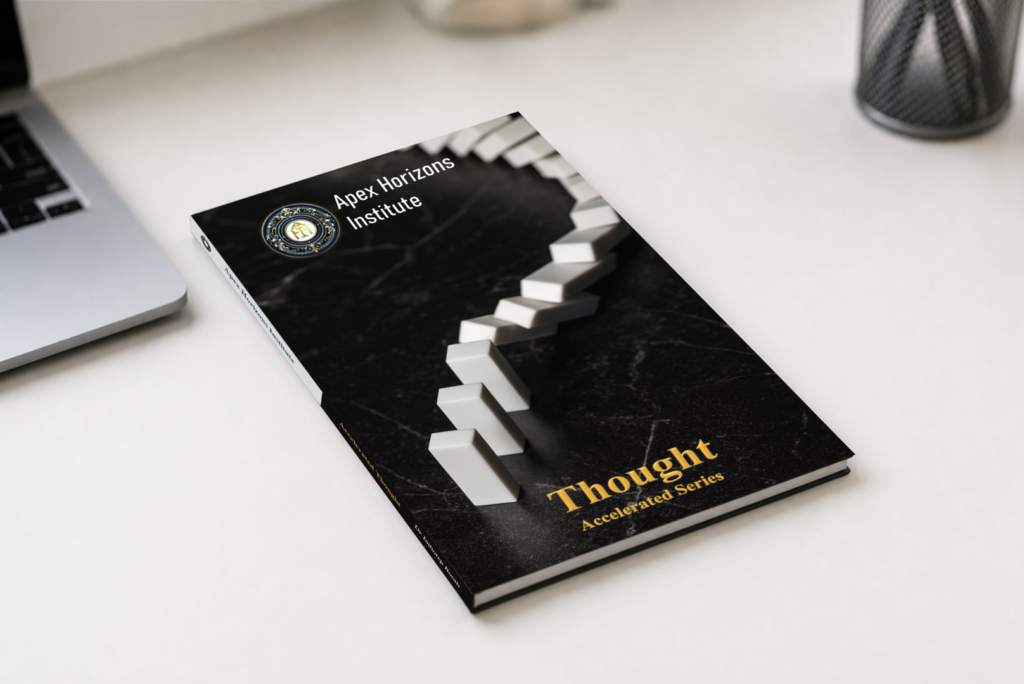
Thought examines how information becomes understanding. It explores the models, categories, assumptions and reasoning processes used to recognise patterns, form explanations and make judgements. Thought allows complexity to be simplified into something usable, but those simplifications can also introduce errors. The module develops greater awareness of how conclusions are formed, helping distinguish observation from interpretation, improve reasoning and build models that remain answerable to evidence.
Emotion
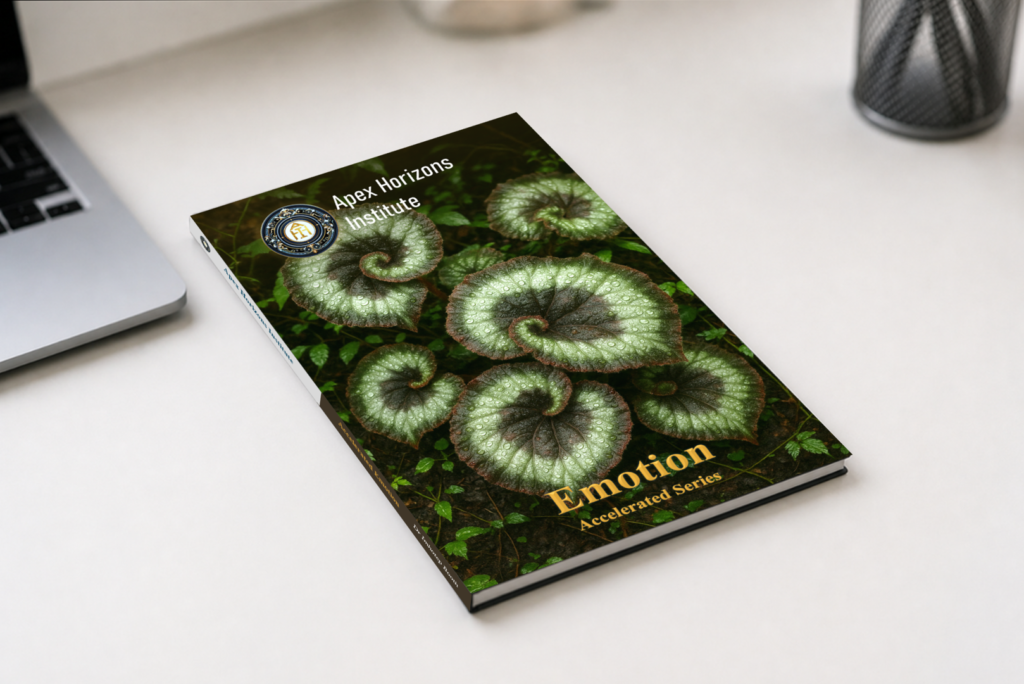
Emotion explores how significance is experienced and translated into attention, motivation and action. Feelings influence what matters to us, how situations are interpreted and how the body prepares to respond. They can provide valuable information without necessarily providing an accurate explanation of events. This module examines emotional awareness, appraisal and regulation, helping us understand how feeling can inform judgement without automatically controlling it.
Strategy
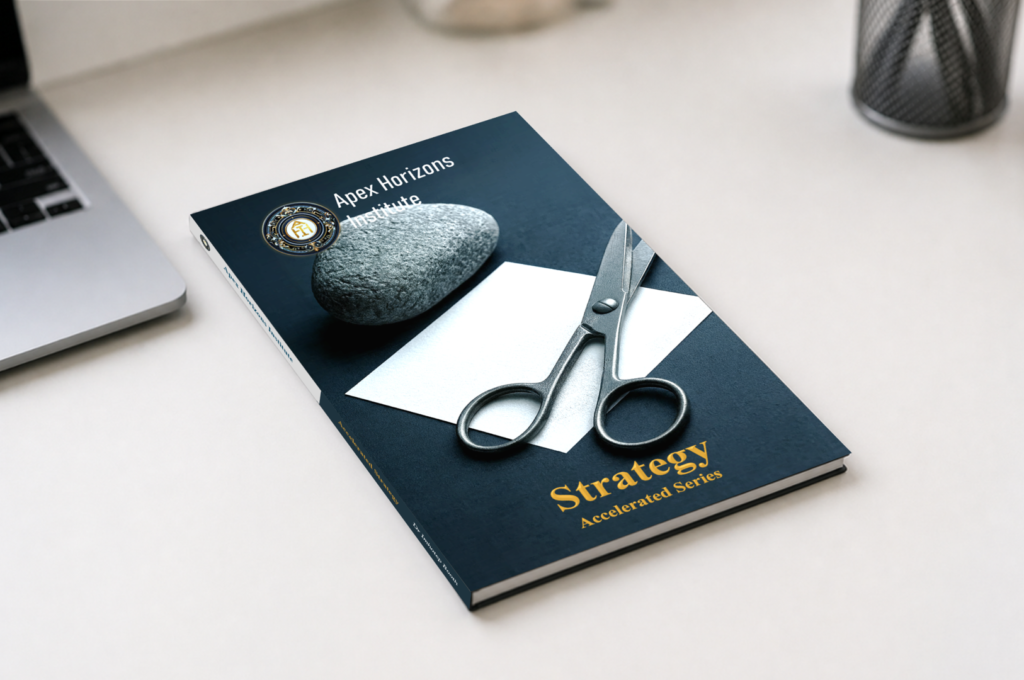
Strategy concerns the direction of limited effort. It asks what matters most, what problem actually needs solving and which choices should be prioritised when every possibility cannot be pursued at once. Strategy connects diagnosis with direction, trade-offs and coordinated action. Rather than simply creating plans, it develops the ability to decide where resources should be committed, what should be left aside and how action can remain coherent as circumstances change.

Fortune
Fortune examines uncertainty, probability and the parts of an outcome that cannot be completely controlled. Good decisions do not always produce good results, just as favourable outcomes do not always prove that the decisions behind them were sound. This module explores risk, opportunity, timing, preparedness and adaptation, helping distinguish what can be influenced from what must be carried as uncertainty while improving the conditions in which favourable outcomes can occur.
Improvement
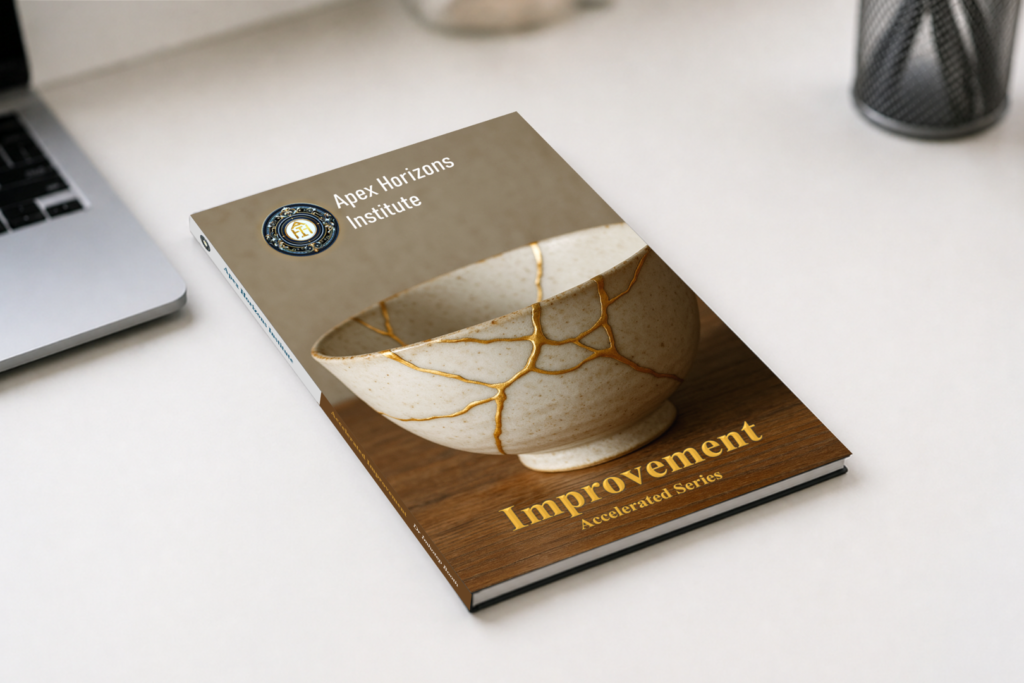
Improvement explores how experience becomes development. Progress depends not simply on repetition or greater effort, but on receiving useful feedback, identifying what an attempt revealed and allowing that information to change what happens next. This module examines practice, failure, reflection, adaptation and the gradual refinement of capability. Improvement turns Mastery into an ongoing process in which action produces feedback, feedback changes understanding and understanding shapes the next attempt.
The Nine Modules
Our Principles of Mastery
Structure
Structure examines the systems, relationships and conditions that shape what becomes possible. It looks beyond individual parts to understand how they connect, where pressure travels, what supports stability and which arrangements repeatedly produce particular outcomes. From organisations and physical systems to habits and relationships, Structure asks what is holding the system together, where its constraints lie and how changing the arrangement can change the result.
Creativity
Creativity explores how new possibilities emerge and become useful. It involves imagination, recombination, experimentation and the ability to see alternatives where existing assumptions make only one path appear obvious. Creativity is not simply novelty or inspiration; it also requires selection, refinement and contact with reality. The module examines how ideas develop, how constraints can generate better solutions and how possibility can be turned into meaningful form.
Synchronicity
Synchronicity examines alignment, timing and the relationships that allow separate elements to reinforce one another. It considers how people, ideas, opportunities and changing conditions can become more valuable when they meet at the right moment. Rather than treating every coincidence as meaningful, Synchronicity develops greater sensitivity to patterns, signals, rhythm and emerging relationships—helping us recognise when to act, when to connect and when circumstances are beginning to align.
Belief
Belief explores the internal models through which people interpret themselves, other people and the world around them. Beliefs influence what we notice, what we expect, which possibilities appear realistic and how we interpret new evidence. Some provide useful stability while others can become invisible constraints. This module examines how beliefs form, how they shape perception and behaviour, and how they can remain strong enough to guide action while still being open to revision.
Thought
Thought examines how information becomes understanding. It explores the models, categories, assumptions and reasoning processes used to recognise patterns, form explanations and make judgements. Thought allows complexity to be simplified into something usable, but those simplifications can also introduce errors. The module develops greater awareness of how conclusions are formed, helping distinguish observation from interpretation, improve reasoning and build models that remain answerable to evidence.
Emotion
Emotion explores how significance is experienced and translated into attention, motivation and action. Feelings influence what matters to us, how situations are interpreted and how the body prepares to respond. They can provide valuable information without necessarily providing an accurate explanation of events. This module examines emotional awareness, appraisal and regulation, helping us understand how feeling can inform judgement without automatically controlling it.
Strategy
Strategy concerns the direction of limited effort. It asks what matters most, what problem actually needs solving and which choices should be prioritised when every possibility cannot be pursued at once. Strategy connects diagnosis with direction, trade-offs and coordinated action. Rather than simply creating plans, it develops the ability to decide where resources should be committed, what should be left aside and how action can remain coherent as circumstances change.
Fortune
Fortune examines uncertainty, probability and the parts of an outcome that cannot be completely controlled. Good decisions do not always produce good results, just as favourable outcomes do not always prove that the decisions behind them were sound. This module explores risk, opportunity, timing, preparedness and adaptation, helping distinguish what can be influenced from what must be carried as uncertainty while improving the conditions in which favourable outcomes can occur.
Improvement
Improvement explores how experience becomes development. Progress depends not simply on repetition or greater effort, but on receiving useful feedback, identifying what an attempt revealed and allowing that information to change what happens next. This module examines practice, failure, reflection, adaptation and the gradual refinement of capability. Improvement turns Mastery into an ongoing process in which action produces feedback, feedback changes understanding and understanding shapes the next attempt.

Your Next Steps
One Framework, Multiple Routes
The nine modules of Mastery are designed to work together, forming a connected framework rather than a fixed sequence. Begin with Mastery: Core Principles for the complete introduction, or explore the wider Apex Horizons Institute collection to follow the route most relevant to you.